Mengapa Fotografi Interior Kantor Berkualitas Sangat Penting
17 Maret 2025
White Paper Production
6 menit baca
Sebelum calon klien mengunjungi kantor Anda, membaca proposal Anda, atau menerima telepon Anda - mereka sudah mencari Anda di Google. Mereka mengunjungi website Anda dan melihat profil Google Business Anda. Dan dalam beberapa detik pertama kontak visual itu, mereka sudah membentuk kesan apakah Anda adalah jenis perusahaan yang ingin mereka ajak bekerja sama.
Bagi kebanyakan bisnis, gambar-gambar pertama itu adalah foto interior kantor. Dan bagi kebanyakan bisnis, foto-foto itu diambil dengan smartphone oleh staf di sore hari yang sibuk, tanpa persiapan, tanpa cahaya yang tepat, dan tanpa pertimbangan apa pun tentang bagaimana foto itu akan mengkomunikasikan brand mereka.
Ini adalah peluang yang terlewatkan - dan semakin hari, ini menjadi kerugian kompetitif.
Kantor Anda adalah Pernyataan Brand
Lingkungan fisik yang ditempati perusahaan Anda mengkomunikasikan hal-hal yang tidak bisa disampaikan oleh logo dan tagline. Ini menandakan investasi, ketahanan, budaya, dan perhatian terhadap kualitas. Kantor dengan ruang yang dirancang dengan baik, material yang dipikirkan matang, dan tata letak yang bertujuan bercerita tentang cara Anda beroperasi.
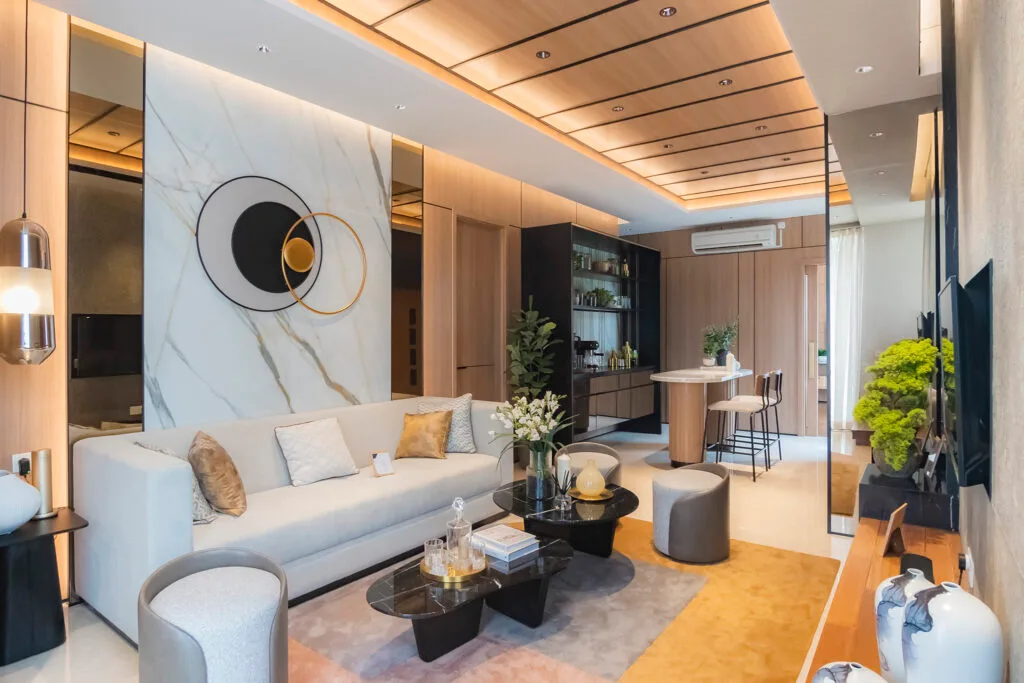
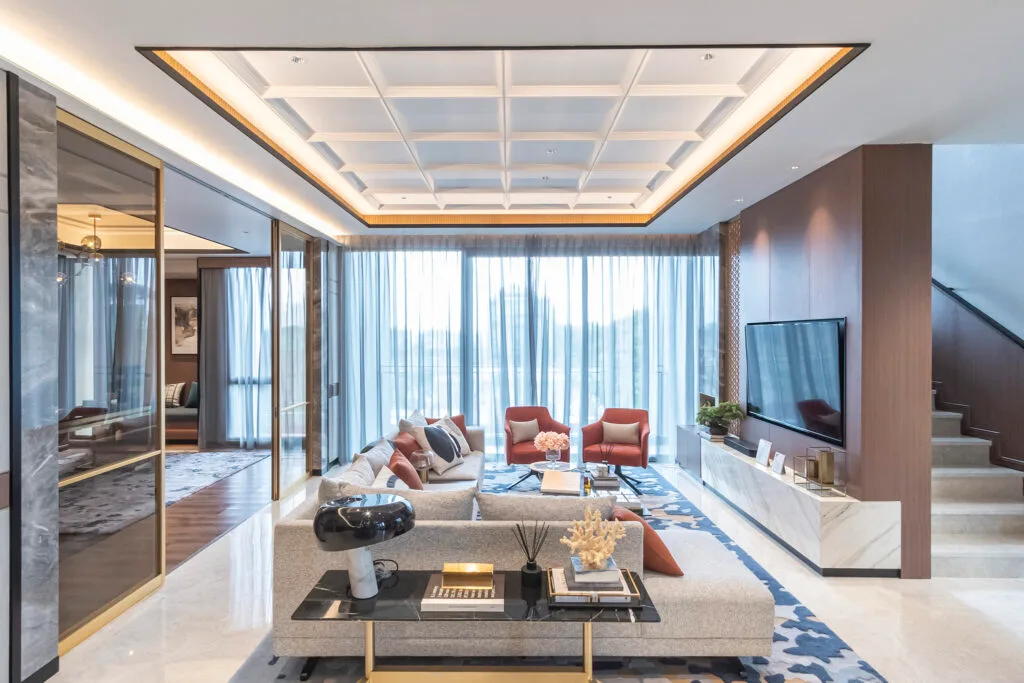
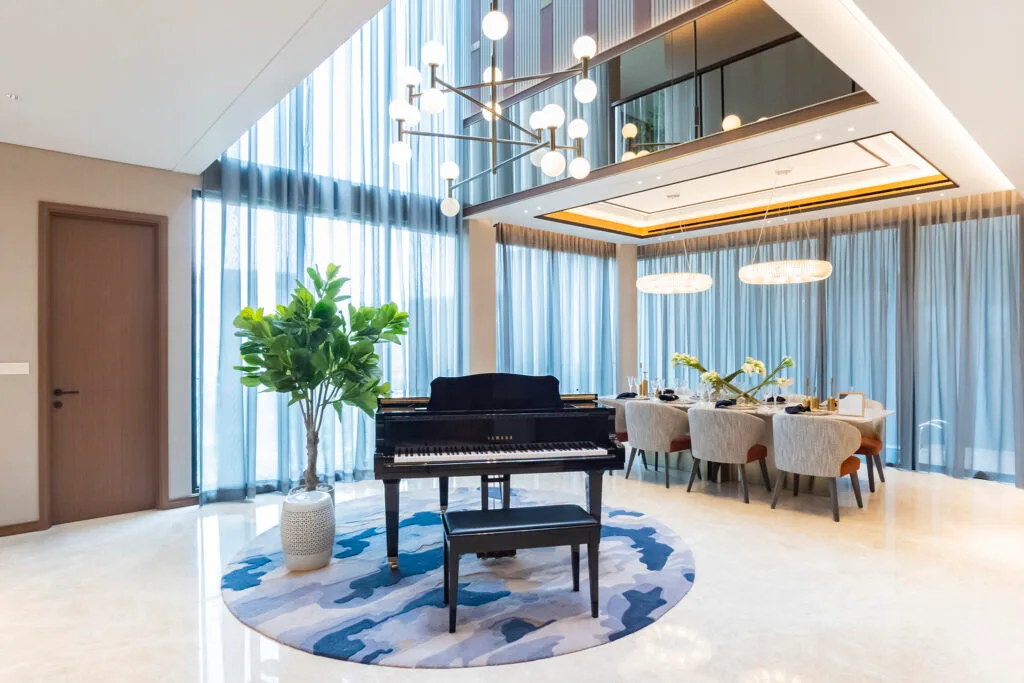
Fotografi interior profesional menangkap cerita itu dengan cara yang langsung dapat dibaca oleh orang-orang yang belum pernah berkunjung secara langsung. Jika dilakukan dengan baik, ini menciptakan rasa keakraban dan kepercayaan sebelum kontak langsung apa pun terjalin.
Jika dilakukan dengan buruk - dengan gambar smartphone yang gelap, berantakan, atau terdistorsi - ini secara aktif merusak kualitas yang coba Anda komunikasikan di mana pun.
"Kami pernah melihat perusahaan menghabiskan miliaran untuk fit-out dan desain, lalu memotretnya dengan ponsel. Kualitas fotografi harus sesuai dengan kualitas ruangan - jika tidak, Anda menceritakan cerita yang salah."
Empat Alasan Bisnis Berinvestasi pada Fotografi Interior
1. Website dan Kehadiran Digital
Halaman About, halaman Contact, dan bagian company profile di website Anda semuanya mendapat manfaat dari foto lingkungan berkualitas tinggi. Foto ruang kerja Anda mengontekstualisasikan orang-orang di tim Anda - mereka menjangkarkan potret, membuat perusahaan terasa nyata, dan memberi pengunjung rasa skala dan budaya yang tidak bisa disampaikan oleh headshot saja.
Banner website format besar khususnya membutuhkan gambar yang secara teknis sempurna: fokus tajam, suhu warna yang konsisten, dan komposisi yang bekerja baik dalam format lebar penuh maupun dipotong ke berbagai rasio aspek.
2. Akuisisi Talenta
Kandidat terbaik yang meneliti calon pemberi kerja sebelum melamar akan membentuk pendapat kuat berdasarkan tampilan ruang kerja Anda. Kantor yang difoto dengan penuh pertimbangan - menampilkan ruang kolaborasi, cahaya alami, area fokus pribadi, dan zona santai - dapat menjadi keunggulan kompetitif nyata dalam menarik orang-orang yang tepat.
Sebaliknya, ruang kerja yang terlihat gelap, sempit, atau generik dalam fotonya dapat menghalangi kandidat kuat sebelum mereka bahkan membaca deskripsi pekerjaan.
3. Presentasi Klien dan Investor
Saat Anda menyusun pitch deck, mengajukan capability statement, atau berpresentasi kepada klien institusional, foto lingkungan berkualitas tinggi menandakan bahwa Anda beroperasi di tingkat profesional. Ini adalah salah satu isyarat visual yang memisahkan perusahaan yang terlihat mapan dari yang terlihat sementara.
4. Properti dan Leasing
Jika perusahaan Anda memiliki properti komersial - ritel, kantor, atau hospitality - fotografi interior profesional secara langsung terkait dengan pendapatan. Listing dengan fotografi profesional menerima jauh lebih banyak pertanyaan dan mencapai tarif lebih tinggi daripada yang menggunakan gambar amatir, terlepas dari kualitas ruang yang mendasarinya.
Mengapa Fotografi Interior Secara Teknis Menantang
Fotografi kantor dan interior adalah salah satu bentuk fotografi komersial yang paling menantang secara teknis. Tantangannya meliputi:
Konsultasi Gratis
Butuh fotografer untuk proyek kamu?
Ceritakan kebutuhan kamu — kami berikan estimasi transparan. Biasanya dibalas dalam 1 jam.
Sumber cahaya campuran - sebagian besar kantor menggabungkan cahaya jendela alami, panel fluoresen atau LED di atas kepala, pencahayaan tugas, dan pencahayaan dekoratif, masing-masing dengan suhu warna berbeda. Menyeimbangkan ini membutuhkan metering yang cermat dan pasca-produksi.
Sudut lebar dan distorsi - mengabadikan ruangan penuh membutuhkan lensa wide-angle, yang menimbulkan distorsi geometrik jika tidak dikoreksi dalam pasca-produksi. Garis vertikal harus benar-benar vertikal; permukaan horizontal harus tampak datar.
Dynamic range - perbedaan kecerahan antara tampilan jendela dan interior yang teduh bisa melebihi apa yang dapat ditangkap sensor kamera mana pun dalam satu eksposur. Hasil profesional sering membutuhkan exposure bracketing dan HDR blending.
Staging dan styling - meja yang berantakan, kursi yang tidak sejajar, dan barang pribadi yang tertinggal di permukaan semuanya perlu ditangani sebelum pemotretan. Fotografer profesional akan mengidentifikasi dan menyelesaikan ini sebelum mengangkat kamera.
Sebelum Pemotretan
Jadwalkan pemotretan interior Anda pada hari ketika kantor berada dalam kondisi terbaiknya - seminimal mungkin kekacauan dari staf, meja dibersihkan ke tingkat yang presentable, dan masalah pemeliharaan apa pun (lampu mati, dinding tergores) ditangani terlebih dahulu. Persiapan yang Anda lakukan sebelum fotografer tiba sama pentingnya dengan fotografinya sendiri.
Cara Mempersiapkan Kantor untuk Sesi Foto
Ruang yang dipersiapkan dengan baik memudahkan pekerjaan fotografer dan menghasilkan hasil yang jauh lebih baik. Dalam seminggu sebelum pemotretan Anda:
Bersihkan secara mendalam semua area umum, ruang rapat, dan ruang-ruang unggulan
Singkirkan barang pribadi, dokumen berlebih, dan materi bermerek dari kompetitor dari pandangan
Pastikan semua lampu berfungsi dan ganti yang rusak
Rapikan kabel, singkirkan peralatan yang tidak digunakan, dan bersihkan permukaan meja
Pertimbangkan menambahkan tanaman atau elemen dekoratif minimal untuk menambah kehangatan
Kosongkan ruangan dari staf selama sesi jika memungkinkan - atau koordinasikan agar hanya staf yang berpenampilan rapi yang terlihat
Apa yang Harus Difoto
Sesi fotografi interior kantor yang komprehensif biasanya mencakup:
Area resepsi dan pintu masuk - kesan pertama yang dibuat ruangan Anda
Ruang kerja utama - pandangan open-plan atau ruang individual, menangkap skala dan suasana
Ruang rapat - dari berbagai sudut, menampilkan kapasitas dan estetika
Area breakout dan ruang santai - menampilkan aspek budaya perusahaan
Detail arsitektur - material, tekstur, dan elemen desain yang membuat ruangan berbeda
Pandangan eksterior gedung atau fasad jika relevan
FAQ - Pertanyaan Umum Fotografi Interior Kantor
Berapa lama sesi fotografi interior kantor biasanya berlangsung?
Untuk kantor berukuran sedang (200–500 m²), sesi foto biasanya membutuhkan waktu 4–6 jam termasuk setup, pengambilan gambar, dan pembongkaran. Kantor yang lebih besar atau yang membutuhkan coverage di beberapa lantai mungkin memerlukan satu hari penuh. Ini tidak termasuk waktu pasca-produksi editing.
Waktu terbaik untuk memotret interior kantor?
Cahaya alami terbaik biasanya pada pagi hari (08.00–11.00) atau sore hari (15.00–17.00), ketika sudut matahari menciptakan cahaya yang lebih hangat dan lembut. Hindari memotret di tengah hari saat cahaya matahari langsung bisa menciptakan bayangan keras melalui jendela. Untuk kantor tanpa jendela atau dengan pencahayaan buatan dominan, waktu hari tidak terlalu berpengaruh.
Apakah saya perlu menyewa fotografer khusus interior, atau fotografer korporat umum bisa melakukannya?
Fotografi interior membutuhkan keahlian teknis khusus - terutama dalam mengelola cahaya campuran, koreksi perspektif, dan exposure bracketing. Pastikan fotografer yang Anda pilih memiliki portofolio interior yang kuat, bukan hanya portofolio portrait atau event. Di White Paper Production, kami menangani fotografi interior sebagai spesialisasi tersendiri dengan peralatan dan workflow yang sesuai.
Butuh fotografer profesional untuk kebutuhan korporat Anda?