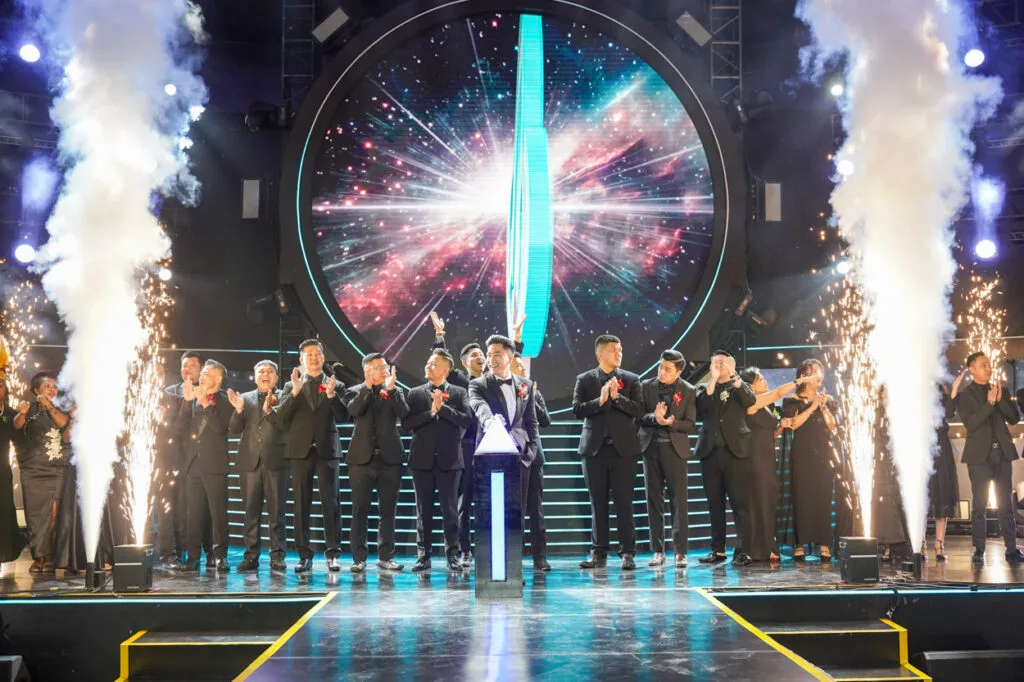
Dokumentasi event korporat adalah salah satu penugasan fotografi dengan risiko tertinggi. Tidak seperti sesi studio, Anda tidak bisa menjeda, mengulang, atau memotret ulang momen penting pembicara utama atau tepat saat CEO Anda berjabat tangan dengan mitra kunci. Event berlangsung langsung, tidak terkontrol, dan tidak ampun - itulah mengapa persiapannya harus sangat teliti.
Selama bertahun-tahun, kami telah memotret ratusan event korporat di Jakarta - dari makan malam direksi yang intim hingga gala tahunan dengan 2.000 peserta. Berikut adalah checklist yang kami gunakan secara internal, kini dibagikan agar Anda dapat menggunakannya untuk mem-brief fotografer Anda - atau mengevaluasi apakah proses Anda saat ini sudah mengabadikan semua yang seharusnya.
Dua Minggu Sebelum Event
Brief Fotografer Anda dengan Benar
Percakapan terpenting terjadi sebelum kamera apa pun diangkat. Fotografer Anda perlu memahami:
- Tujuan event - perayaan internal, peluncuran pers, event klien, atau malam penghargaan masing-masing membutuhkan pendekatan dokumentasi yang berbeda
- Orang-orang penting yang harus difoto - berikan daftar nama dan idealnya foto agar fotografer bisa mengenali VIP secara langsung
- Tone yang ingin Anda komunikasikan - formal dan autoritatif, atau hangat dan meriah?
- Bagaimana foto akan digunakan - siaran pers, laporan internal, LinkedIn, dicetak di laporan tahunan?
- Identitas visual brand Anda - bagikan panduan brand Anda jika ada
Siapkan dokumen brief event satu halaman. Sertakan jadwal lengkap, nama orang-orang penting beserta foto, alamat venue, nomor kontak Anda pada hari H, dan batasan akses apa pun yang perlu diketahui fotografer sebelumnya.
Buat Shot List
Shot list bukan hambatan kreatif - melainkan jaminan. Ini memastikan gambar-gambar yang tidak boleh terlewat tetap terabadikan terlepas dari apa pun yang terjadi. Untuk event korporat tipikal, shot list harus mencakup:
- Foto establishing venue - eksterior dan interior sebelum tamu tiba
- Branding dan signage - backdrop panggung bermerek, meja registrasi, signage petunjuk arah
- Urutan kedatangan dan penyambutan VIP
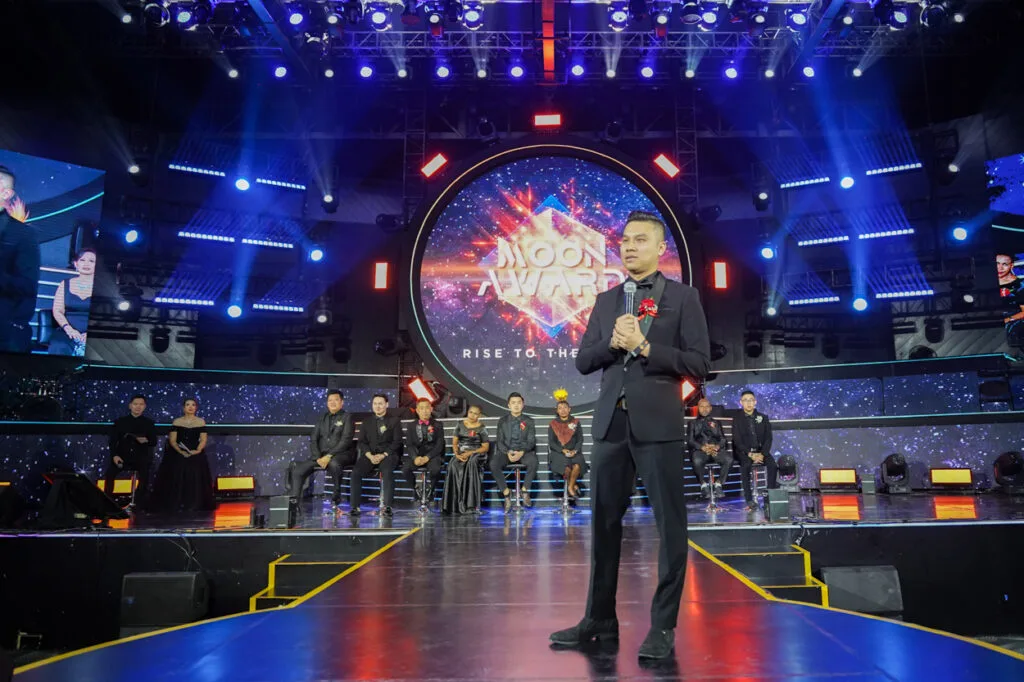
- Pembicara di podium - wide, medium, dan close-up saat momen-momen penting
- Foto reaksi audiens
- Momen networking - percakapan nyata, bukan jabat tangan yang dipaksakan
- Foto grup - konfirmasi persis grup mana yang dibutuhkan dan pada waktu berapa
- Penyerahan penghargaan atau sertifikat (jika ada)
- Momen penutupan dan energi saat audiens keluar
Satu Minggu Sebelum Event
Survei Venue
Kunjungi venue bersama fotografer Anda sebelum hari event. Ini penting untuk memahami kondisi cahaya, mengidentifikasi posisi pengambilan gambar terbaik, dan merencanakan logistik. Saat survei, nilai:
- Keseimbangan cahaya alami vs buatan - apakah flash diperlukan? Apakah itu sesuai?
- Posisi panggung dan pembicara relatif terhadap audiens - bisakah fotografer bergerak bebas antar posisi?
- Kualitas latar dari posisi pengambilan gambar utama - adakah elemen yang mengganggu?
- Jalur akses - di mana fotografer bisa berdiri tanpa menghalangi tamu atau garis pandang?
- Akses daya dan pengisian untuk baterai cadangan
"Venue terlihat sangat berbeda saat kosong dibandingkan saat penuh dengan pencahayaan event. Survei venue untuk acara ballroom dengan 500 tamu adalah hal yang tidak bisa diabaikan - cahaya, keramaian, dan akses semuanya berubah secara fundamental."
Konfirmasi Logistik
- Konfirmasi waktu kedatangan fotografer - biasanya 60–90 menit sebelum tamu tiba
- Pastikan akses ke area backstage, green room, atau ruang VIP jika relevan
- Bagikan rundown final begitu tersedia
- Konfirmasi apakah ada segmen yang membutuhkan cahaya tambahan (penghargaan, sesi foto tim)
Hari H: Sebelum Event Dimulai
- Fotografer harus tiba 60–90 menit lebih awal untuk survei cahaya, pengujian exposure, dan pengambilan foto venue setup sebelum tamu tiba
- Perkenalkan fotografer kepada PIC dari tim Anda yang akan mendampingi sepanjang event
- Konfirmasi jadwal shot list dengan fotografer dan koordinator event
- Identifikasi dan brief fotografer tentang lokasi VIP, area khusus, atau segmen sensitif
 >
>
Saat Event Berlangsung
- Pastikan fotografer tidak pernah menghalangi garis pandang utama audiens terhadap panggung
- Untuk sesi penghargaan: berikan isyarat atau sinyal kepada fotografer 2–3 menit sebelum dimulai
- Hindari memberi instruksi baru kepada fotografer saat sesi sedang berlangsung - percayakan pada brief yang sudah disepakati
- Jika ada perubahan rundown mendadak, segera informasikan kepada fotografer
Pasca Event: Pengiriman dan Penggunaan
- Setujui turnaround time editing - standar industri adalah 3–7 hari kerja
- Spesifikasikan format file yang dibutuhkan: JPEG web-ready, PNG resolusi tinggi, atau keduanya
- Tentukan berapa foto yang akan diedit - biasanya 100–200 foto untuk event full day
- Diskusikan apakah watermark, penandaan warna, atau kategorisasi folder diperlukan
- Simpan foto final di cloud storage dengan struktur folder yang jelas untuk penggunaan di masa mendatang
FAQ - Pertanyaan Umum Dokumentasi Event Corporate
Kapan saya harus menyewa fotografer event?
Idealnya, hubungi fotografer event korporat Anda setidaknya 2–4 minggu sebelum hari H. Untuk event besar (500+ peserta) atau event di tanggal-tanggal populer, disarankan memesan 1–2 bulan sebelumnya. Semakin awal Anda menghubungi, semakin banyak waktu untuk persiapan bersama yang menghasilkan hasil lebih baik.
Berapa jumlah fotografer yang dibutuhkan untuk event korporat?
Untuk event dengan hingga 200 peserta, satu fotografer yang berpengalaman biasanya cukup. Untuk event 200–500 peserta, atau event dengan beberapa area/sesi bersamaan, 2 fotografer direkomendasikan. Event di atas 500 peserta atau event multi-hari umumnya membutuhkan tim 3+ fotografer untuk coverage yang komprehensif.
Apa yang harus dimasukkan dalam brief untuk fotografer event?
Brief yang efektif mencakup: rundown acara lengkap, daftar nama dan foto orang-orang penting (VIP, pembicara, awardee), tujuan penggunaan foto (media sosial, laporan tahunan, press release), tone visual yang diinginkan, detail kontak di lapangan, dan batasan akses di venue. Semakin detail brief Anda, semakin terjamin hasilnya.